People spent most of our history outdoors. Our senses still expect daylight that changes through the day, air that moves, materials that show their grain, and a view of something living. Biophilic design is the practice of putting those things back into the built environment on purpose. It is not decoration. It is a set of decisions about light, air, material, sound, and space, made early, that shape how a building feels to be in for the whole of its life.
Biophilic design is usually described in three groups.
Daylight and its movement. Fresh air and temperature that varies. Plants, water, and living surfaces. Views to the outside.
Wood with its grain visible. Stone. Textures and forms drawn from the natural world. Materials that age well and show it.
Rooms that offer both prospect and refuge. Clear sightlines and quiet corners. Spaces that reward exploration without disorienting.
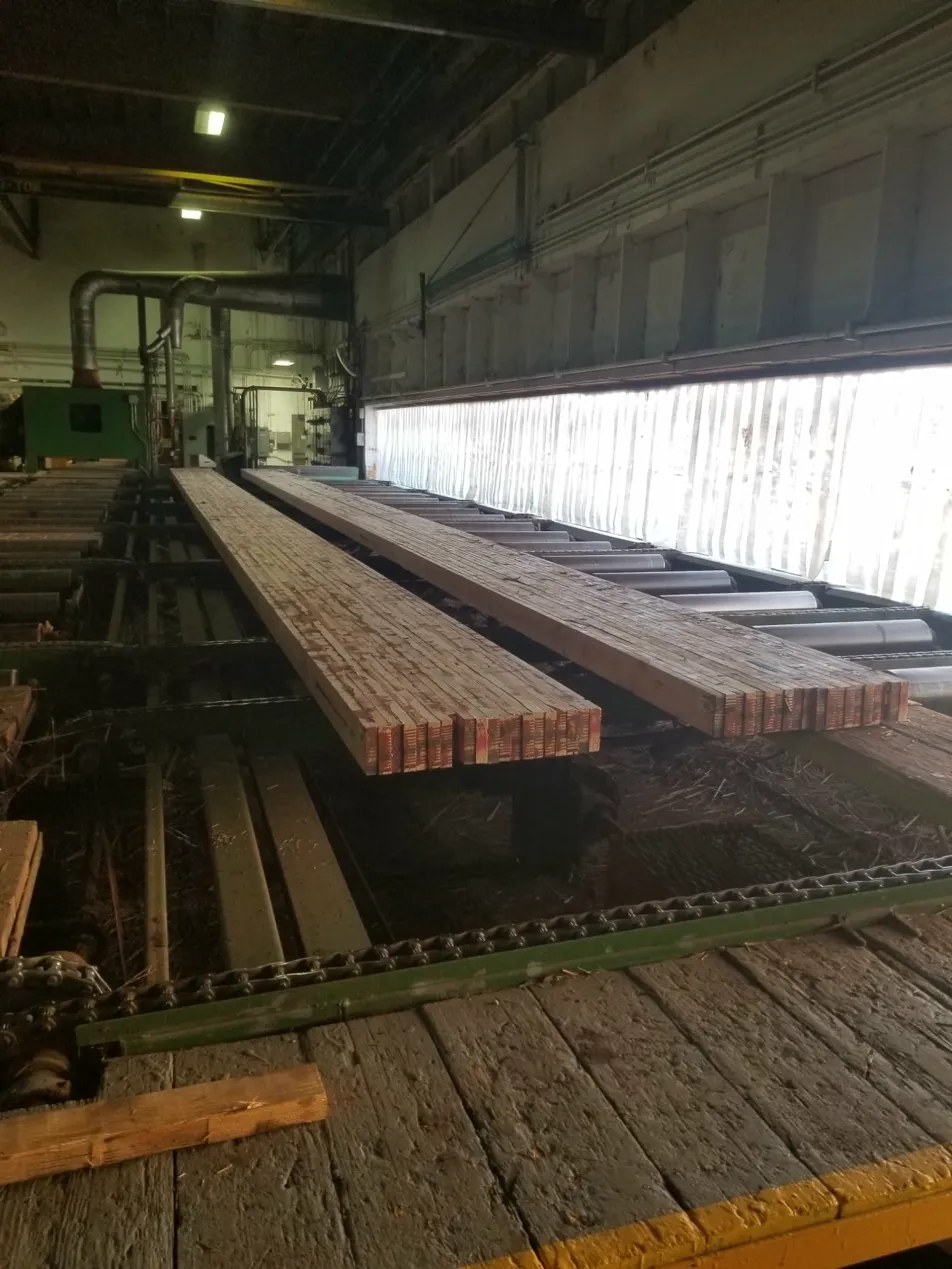
Wood is the one structural material that is also a biophilic material. It carries the load and it carries the grain. Exposed timber, natural cedar, Douglas fir, mass timber, and thermally modified wood do the structural job and the sensory job in the same member. That is why Bardowl designs wood first.
The research on biophilic environments is consistent in direction. Daylight and views support alertness and recovery. Natural materials and good acoustics reduce stress. Spaces that offer refuge and prospect are the ones people choose to stay in. For an owner, that shows up as a building people want to occupy, lease, and keep. For a heritage building, it is often the reason the building was worth keeping in the first place: the old ones were built this way before anyone had a word for it.
Recover what the structure already does well, then add what it lacks. Daylight, air, and living surfaces, without losing the character that made it worth saving.
Wood-first structure, natural durability species, thermally modified wood in place of chemical treatment, and living systems where the climate supports them.
Fire safety, certification, and approval are scoped from the first conversation.
The references behind this page.
Tell us about the space. We will tell you where biophilic design fits, what it costs, and whether we are the right fit.